

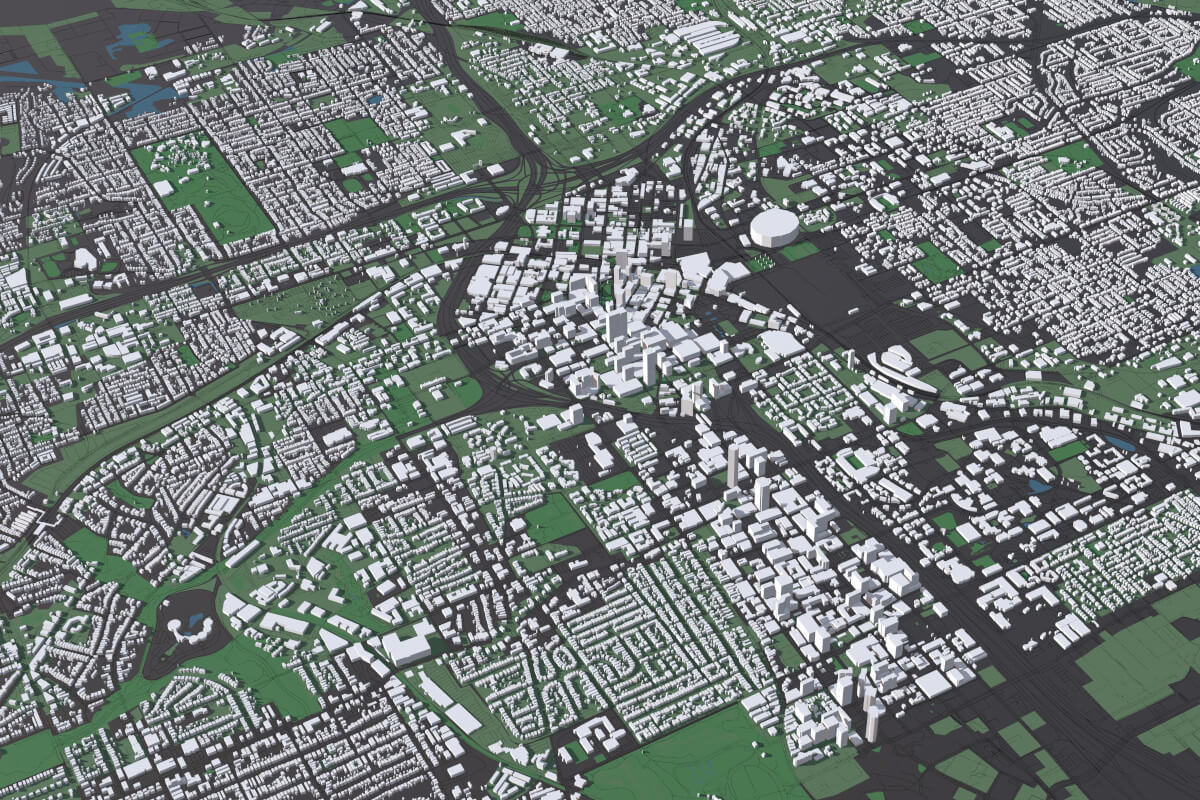
A quarterly look at where Atlanta’s commercial real estate fundamentals stand, focused on the retail and industrial sectors most relevant to automotive, QSR, and net-leased property owners and investors. As with all market reports on this site, these figures reflect a specific point in time — check back for updated reporting each quarter rather than relying on this post for current pricing.
Retail: Stable Fundamentals, Modest Rent Growth
Atlanta’s retail market held steady through the first quarter of 2026. Low vacancy and positive rent growth continued, supported by steady population gains and disciplined, largely pre-leased development activity. Investment activity in retail has moderated somewhat from prior years but remains healthy, with capital continuing to target grocery-anchored centers and value-add opportunities, according to Q1 2026 CoStar-sourced data.
Rent trends were mixed depending on the data source and measurement window: Cushman & Wakefield reported overall asking retail rents down modestly on an annual basis but up quarter-over-quarter, landing around $19.19 per square foot. Longer-term, though, Matthews reported trailing 12-month retail rent growth in metro Atlanta significantly outpacing the national average. Submarket variation remains wide — Buckhead and Midtown continue to command the highest retail rents in the metro, with top-tier space exceeding $30 per square foot.
On the investment side, cap rates across retail asset types held relatively steady in Q1: large retail centers averaging in the mid-6% range, small strip malls slightly below that, and single-tenant net lease properties running a bit higher, in line with prior quarters. For automotive and QSR owners specifically, the single-tenant net lease segment is the most directly comparable benchmark, and it showed the least movement of the retail subtypes this quarter.
Industrial: Vacancy Improving After Two Years of Increases
Atlanta’s industrial market showed its first sustained improvement in some time. After more than two years of rising direct vacancy, Cushman & Wakefield reported the industrial vacancy rate declined for a second consecutive quarter — a meaningful shift after a prolonged run of softening conditions driven by new supply. Rent growth in industrial has also held up reasonably well quarter over quarter, and cap rates for industrial assets edged down from where they stood at the end of 2025 — a signal of improving investor confidence in the sector even as broader industrial vacancy remains elevated compared to pre-2024 norms.
This matters for owners of flex/industrial and industrial outdoor storage (IOS) properties in particular: two consecutive quarters of vacancy improvement, paired with softening cap rates, suggests the worst of the recent industrial oversupply cycle may be behind the market — though it’s still early to call a full recovery.
What This Means If You’re Buying or Selling
For sellers of net-leased automotive or QSR real estate: single-tenant net lease cap rates have been the most stable segment of the retail market this quarter, which is generally a good sign for pricing predictability if you’re weighing a sale or a 1031 exchange into a similar asset.
For industrial and flex property owners: improving vacancy trends are a reason for cautious optimism, but the market is still working through supply added over the past two years. If you’re considering a sale, current comparable data matters more than headline trend direction — worth a direct conversation before pricing expectations are set.
For retail buyers: the combination of low vacancy and continued (if modest) rent growth supports Atlanta’s reputation as a resilient retail market, but submarket selection still drives most of the pricing variation — a strip center in Buckhead and one in an outer suburb are not comparable investments despite both being “Atlanta retail.”
Looking Ahead
Retail fundamentals appear positioned to stay stable through the next quarter barring a broader economic shift, supported by continued population growth in the metro. Industrial bears watching — if vacancy keeps improving through Q2, it would mark a genuine turn in a cycle that’s weighed on the sector since 2024. We’ll revisit both in the next quarterly report.
If you’re evaluating a specific property against these trends — whether you’re selling an automotive or QSR asset, or looking at industrial/flex opportunities — that’s a conversation worth having now rather than waiting for the next report.
Talk to us about your property or your search
For a broader look at Atlanta’s commercial real estate landscape, see our Atlanta market overview. Curious how cap rate figures like the ones above are actually used in evaluating a deal? See Cap Rate 101.